The arcane symbols of winter
Winter has long carried a sense of quiet mystery, filled with symbols that feel both ancient and deeply emotional. Frost patterns on glass, bare branches against pale skies, and drifting snow all become visual metaphors for stillness, endurance, and hidden beauty. In this world, nature speaks in subtle signs rather than loud gestures.
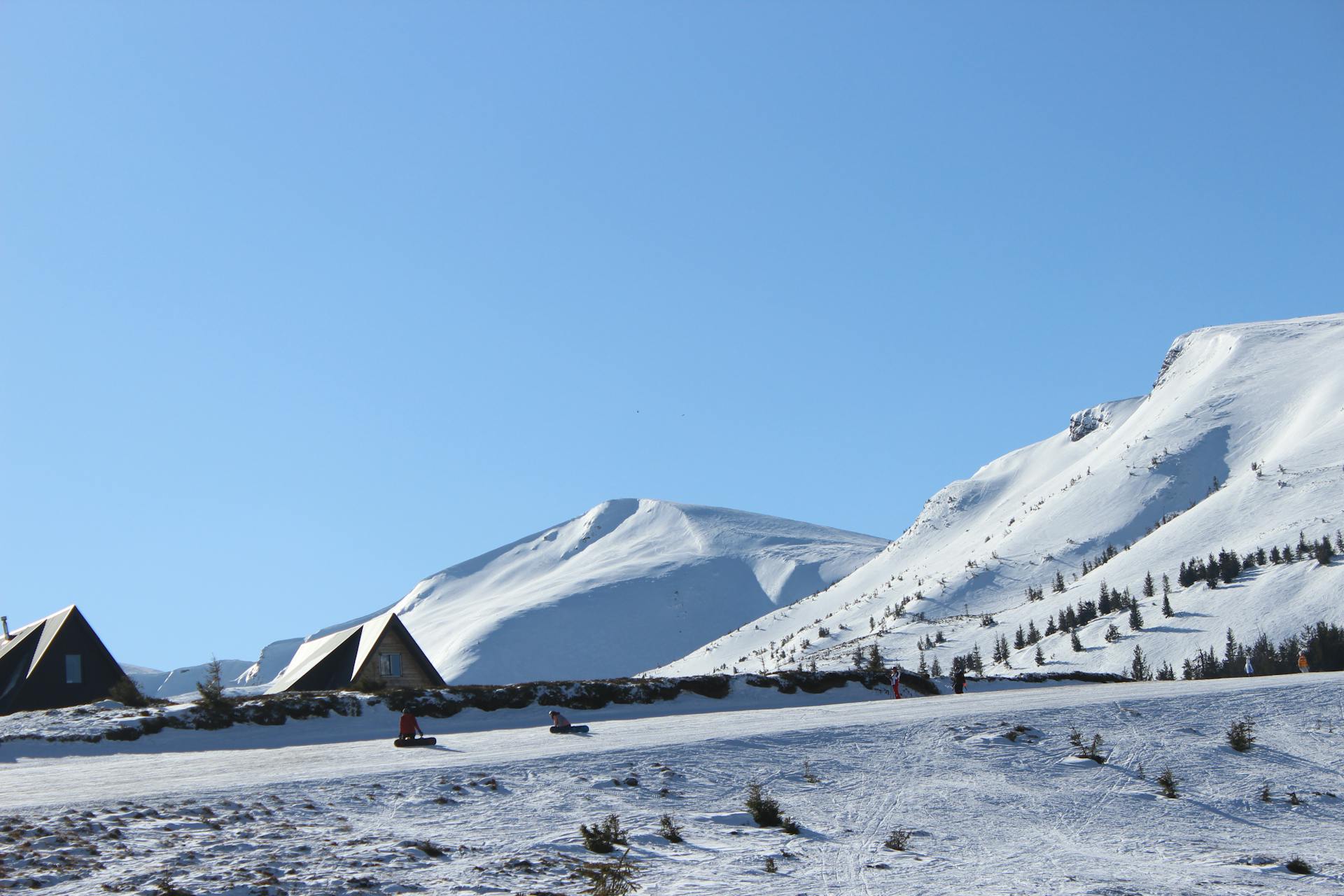
Nature as visual language
Each element of winter holds meaning. Ice suggests fragility and strength at once, snow represents renewal and silence, and long shadows evoke reflection and depth. These natural forms create a symbolic language that feels intuitive, allowing emotion to be expressed through environment rather than words.
Atmosphere shaped by contrast
Winter symbolism thrives on contrast — light against shadow, warmth against cold, motion against stillness. These oppositions give scenes emotional tension and visual poetry. A single warm glow in a frozen landscape can suggest hope, memory, or quiet resilience.
Mystery in the minimal
The stripped-back nature of winter landscapes leaves space for interpretation. With fewer distractions, small details gain significance: a footprint in snow, a breath in cold air, the faint shimmer of ice. These subtle, fleeting moments invite viewers to look closer and find meaning beneath the surface.
“In the depth of winter, I finally learned that within me there lay an invincible summer.” — Albert Camus
The symbols of winter remind us that beauty can exist in stillness and that even the coldest seasons carry quiet depth. Through atmosphere and subtle detail, winter becomes more than a setting — it becomes a story written in light, texture, and silence.
The arcane symbols of winter
Winter has long carried a sense of quiet mystery, filled with symbols that feel both ancient and deeply emotional. Frost patterns on glass, bare branches against pale skies, and drifting snow all become visual metaphors for stillness, endurance, and hidden beauty. In this world, nature speaks in subtle signs rather than loud gestures.

Nature as visual language
Each element of winter holds meaning. Ice suggests fragility and strength at once, snow represents renewal and silence, and long shadows evoke reflection and depth. These natural forms create a symbolic language that feels intuitive, allowing emotion to be expressed through environment rather than words.
Atmosphere shaped by contrast
Winter symbolism thrives on contrast — light against shadow, warmth against cold, motion against stillness. These oppositions give scenes emotional tension and visual poetry. A single warm glow in a frozen landscape can suggest hope, memory, or quiet resilience.
Mystery in the minimal
The stripped-back nature of winter landscapes leaves space for interpretation. With fewer distractions, small details gain significance: a footprint in snow, a breath in cold air, the faint shimmer of ice. These subtle, fleeting moments invite viewers to look closer and find meaning beneath the surface.
“In the depth of winter, I finally learned that within me there lay an invincible summer.” — Albert Camus
The symbols of winter remind us that beauty can exist in stillness and that even the coldest seasons carry quiet depth. Through atmosphere and subtle detail, winter becomes more than a setting — it becomes a story written in light, texture, and silence.
Contact us
Ready to bring your vision to life?Our team at Fabrik is here to make it happen. Get in touch with us today to start your next video project!
Contact us
Ready to bring your vision to life?Our team at Fabrik is here to make it happen. Get in touch with us today to start your next video project!
Contact us